


In the realm of autonomous exploration and industrial automation, the challenge of traversing deep mud represents one of the most significant mechanical hurdles. While wheels offer speed on solid ground, they often fail when the surface turns into a viscous, semi-liquid slurry.
The Fundamental Advantage of Large Robot Tracks in Low-Shear Environments
When a robotic platform encounters deep mud, the primary physical obstacle is the lack of surface shear strength. Traditional wheels concentrate the entire mass of the machine onto a few small contact patches, creating immense downward pressure. In mud, this pressure exceeds the soil's bearing capacity, leading to immediate sinkage. The adoption of large robot tracks fundamentally alters this dynamic by distributing the vehicle's weight across a significantly broader surface area. This distribution lowers the ground pressure to a level often lighter than a human footprint, allowing the robot to "float" atop the mud rather than churning through it.
Beyond simple weight distribution, the continuous nature of a track system provides a consistent bridge over irregularities in the terrain. While a wheel must climb out of every small rut it creates, a long track spans these gaps, maintaining a level of stability that is crucial for sensors and delicate onboard instruments. This mechanical advantage is not merely about staying upright; it is about the efficient conservation of energy. By minimizing the depth of the track's sinkage, the motor does not have to constantly fight against the "bulldozing" effect that occurs when a wheel pushes mud in front of its path.
The Material Science of Rubber Tank Tracks for Robots
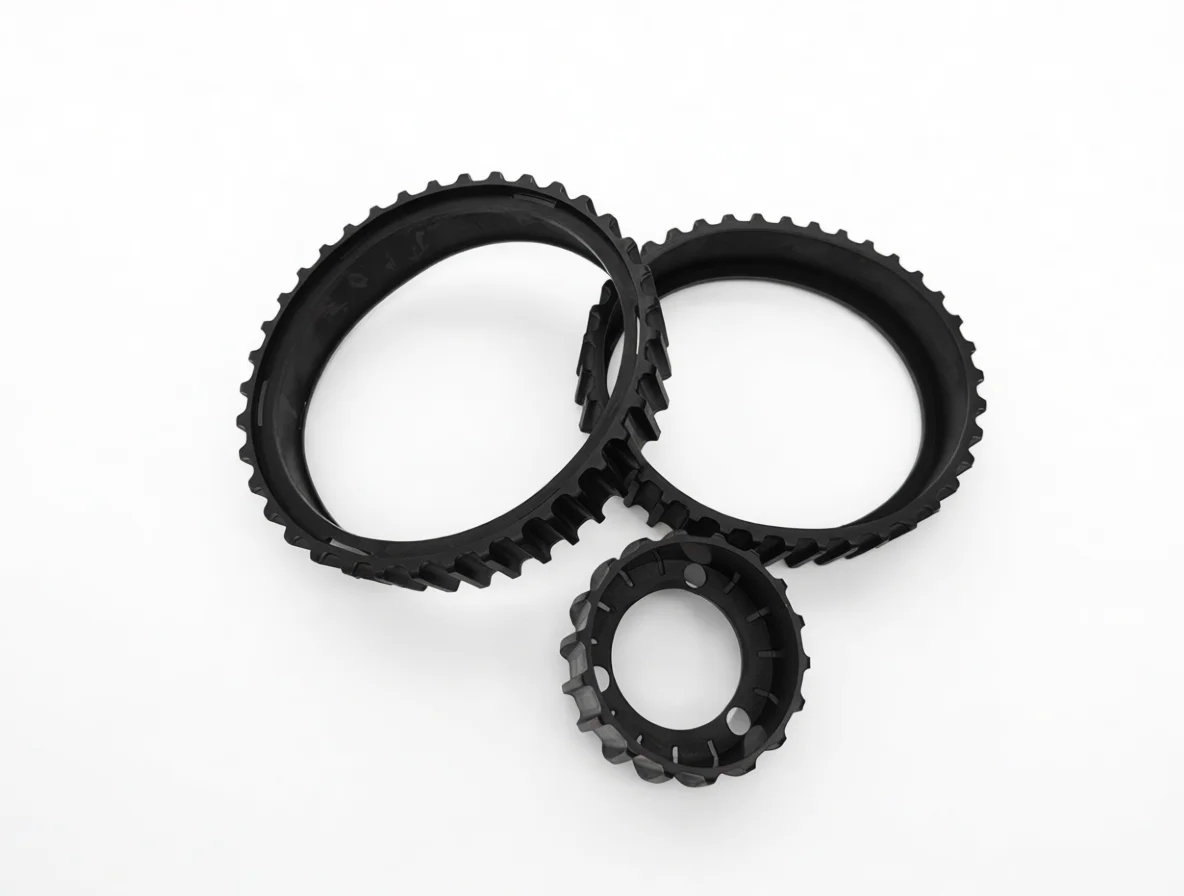
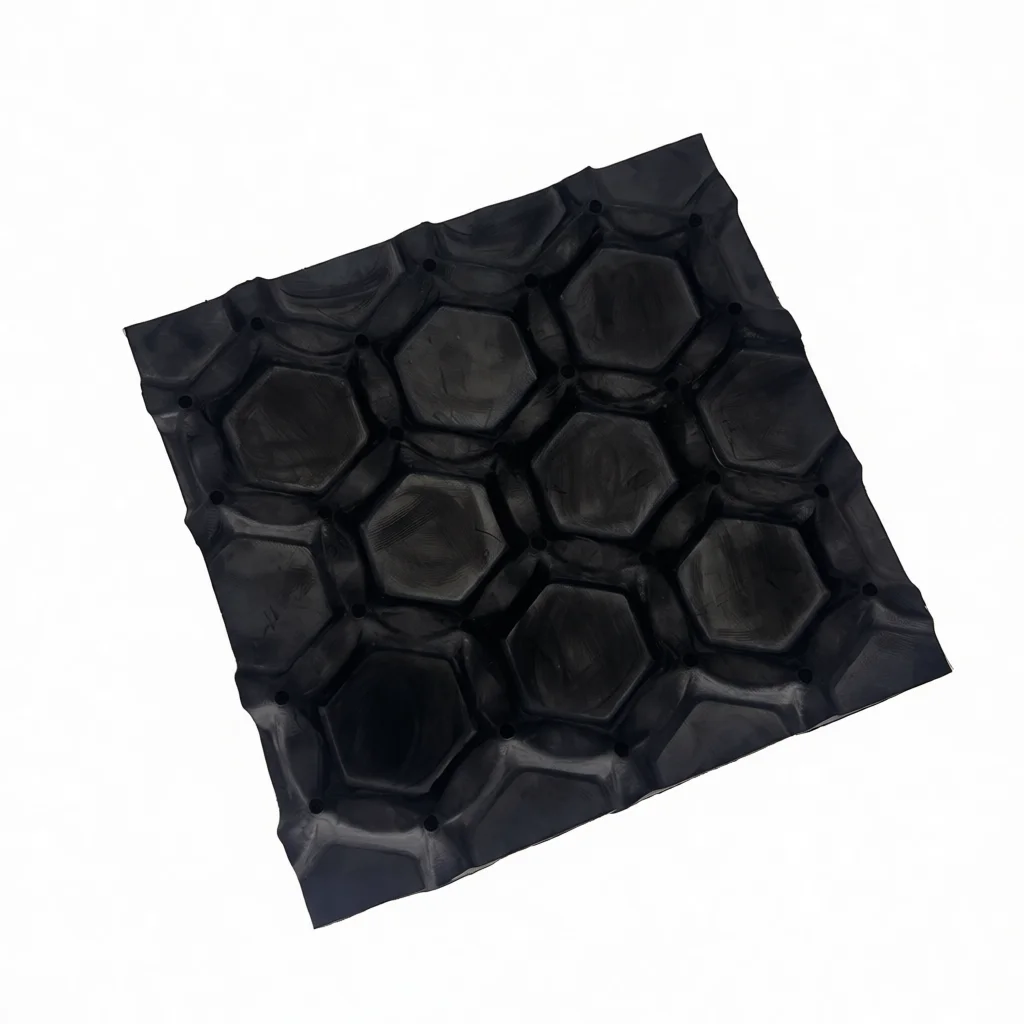
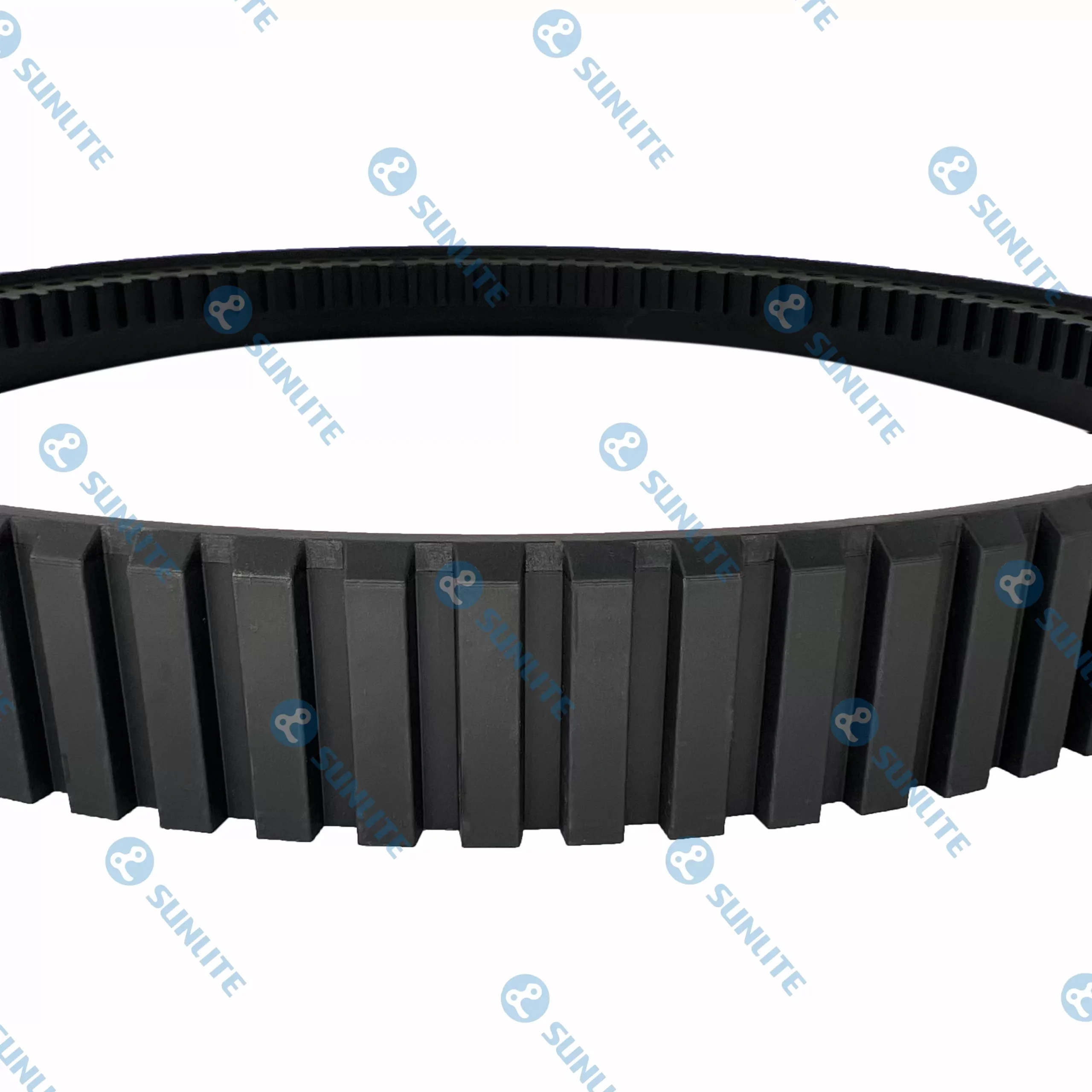
The effectiveness of a tracked system is deeply influenced by its composition. In modern robotics, the shift toward rubber tank tracks for robots has revolutionized how these machines interact with soft earth. Unlike steel tracks used in heavy construction, rubber compounds provide a unique balance of flexibility and grip. The elasticity of rubber allows the track to deform slightly around submerged obstacles like rocks or roots hidden within the mud, ensuring that more surface area remains in contact with the ground at all times.
Furthermore, rubber tracks are often designed with specialized tread patterns that facilitate self-cleaning. One of the greatest risks in deep mud is "clogging," where the spaces between the lugs fill with debris, turning the track into a smooth, slippery belt. High-quality rubber tracks utilize a specific geometry that flexes as the track rounds the drive sprocket, effectively ejecting the mud and maintaining the "bite" required for forward progress. This self-cleaning capability is a critical differentiator for robots operating in remote wetlands or flooded disaster zones where manual maintenance is impossible.
Optimizing Traction with Caterpillar Tracks for Robots
The mechanical complexity of caterpillar tracks for robots provides a level of redundant traction that wheels simply cannot match. In a wheeled system, if one or two wheels lose grip, the entire mission may be compromised. In contrast, a track system utilizes dozens of individual lugs or "grousers" simultaneously. Even if the front portion of the track is struggling in a particularly soft patch of silt, the rear portion remains engaged with the terrain, providing the necessary thrust to pull the robot through.
This redundant grip is enhanced by the length of the ground contact. Because the track extends along a significant portion of the robot's chassis, it can find purchase on varying soil densities. In deep mud, the consistency of the ground is rarely uniform. There may be firmer clay or submerged debris just inches below the surface. The deep lugs of caterpillar-style systems are designed to reach through the liquid upper layer to find the more stable substrate beneath, ensuring that the torque from the motors is successfully converted into linear movement.
Mechanical Reliability of Robot Tank Tracks in Extreme Humidity
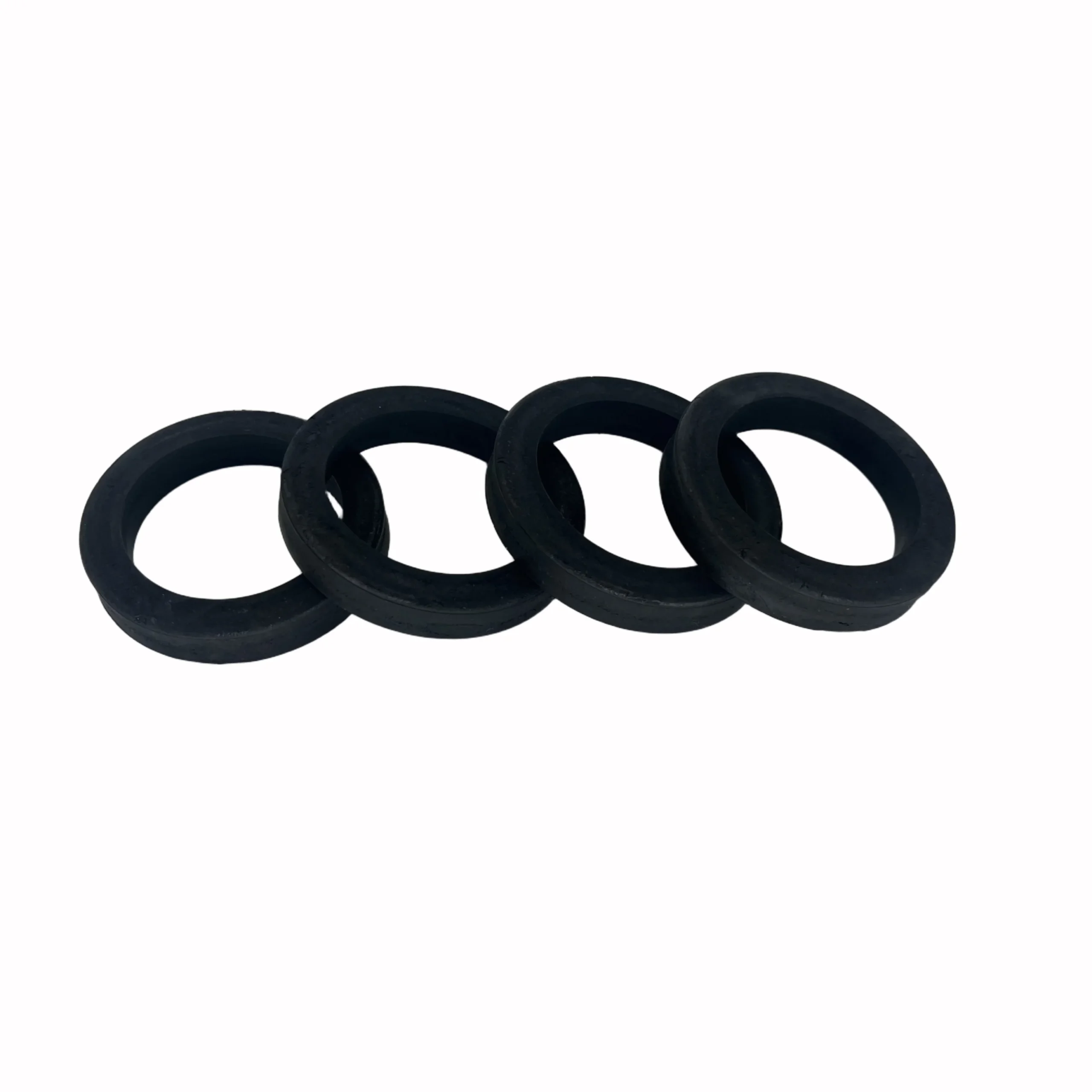
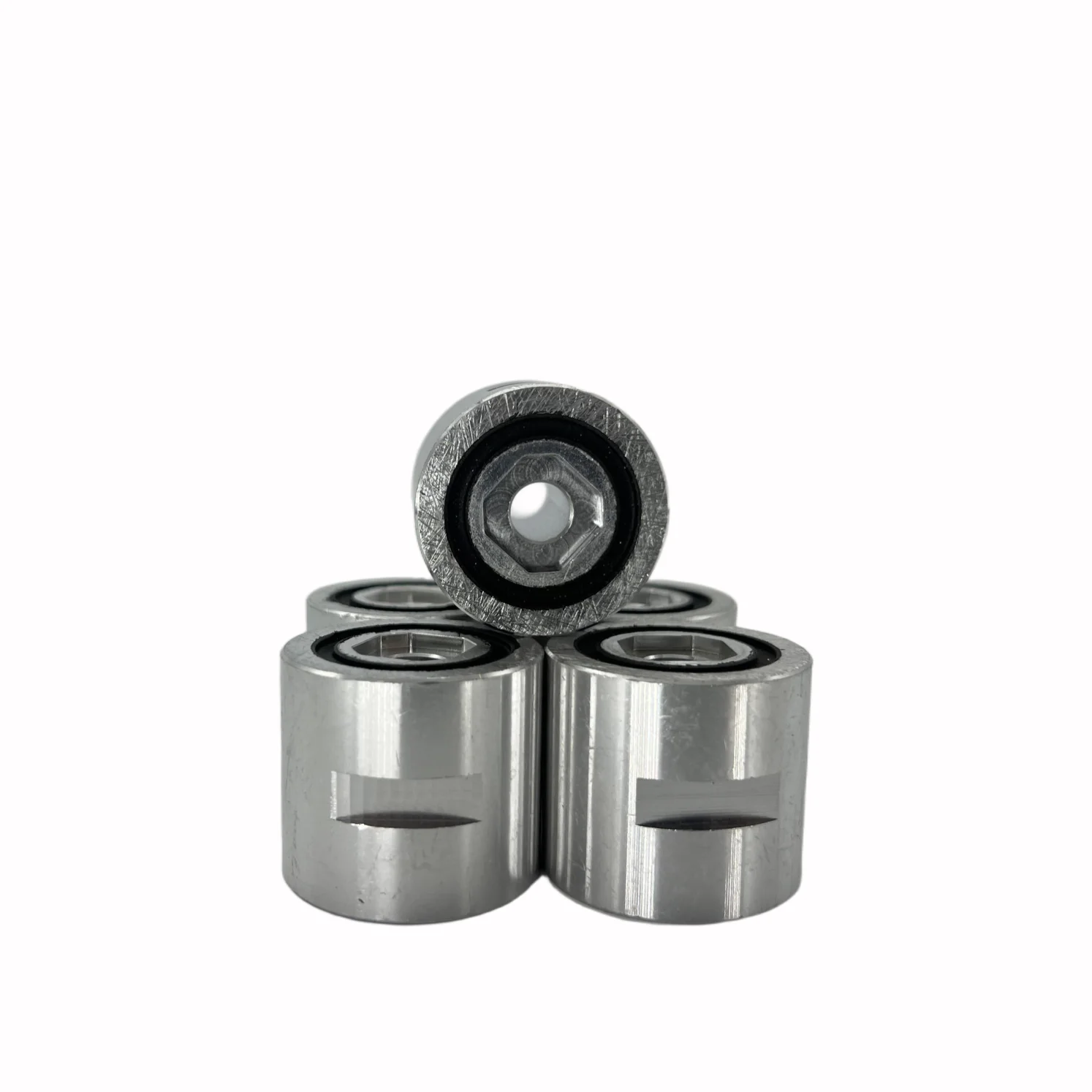
Operating in deep mud involves more than just navigating the surface; it requires protecting the internal components from the ingress of moisture and grit. The design of robot tank tracks often incorporates sealed bearing systems and reinforced drive wheels that are specifically built to withstand the abrasive nature of muddy water. Mud is not just water; it is a suspension of fine particulates that can act like sandpaper on moving parts.
The enclosure provided by a well-designed track system helps shield the drive axles and motors from direct exposure to the environment. By utilizing a sprocket-and-link or sprocket-and-belt system, the power delivery is kept relatively high above the deepest part of the mud. This elevated drive position minimizes the risk of the drivetrain becoming bogged down or seized by the suction forces inherent in thick, clay-heavy mud. It also allows for the integration of higher ground clearance for the central chassis, protecting the robot's "brain" and power supply from immersion.
The Evolutionary Future of Tank Treads for Robots
As artificial intelligence and sensor technology advance, the demand for reliable physical mobility becomes even more acute. A robot can have the most sophisticated pathfinding algorithms in the world, but if its physical locomotion fails in the first hundred yards of a swamp, the mission is over. This is why tank treads for robots continue to be a primary area of research for engineers. We are seeing the emergence of smart tracks that can adjust their tension or even their profile based on the feedback from soil sensors.
The future of muddy terrain navigation lies in the marriage of this advanced software with the timeless physics of the track. By using variable-stiffness materials and adaptive geometry, the next generation of robots will be able to transition from hard pavement to deep mud without losing efficiency. However, the core principle remains the same: the track is a portable road that the robot carries with it. In a world where the ground is unpredictable and the mud is deep, the ability to lay down your own path is the ultimate advantage.
In conclusion, the decision to utilize a tracked drivetrain is a decision based on the fundamental laws of soil mechanics. Whether it is a small search-and-rescue drone or a massive industrial hauler, the superior surface area, redundant traction points, and material resilience of tracked systems ensure that deep mud is an obstacle to be crossed, not a trap to be feared. The engineering journey from simple wheels to sophisticated rubber and caterpillar systems reflects our growing ability to master the most challenging environments on Earth.
In the realm of autonomous exploration and industrial automation, the challenge of traversing deep mud represents one of the most significant mechanical hurdles.